







Omanhen of the Mankessim Traditional Area, Osagyefo Amanfo Edu VI, has declared communities affected by lithium exploration in his jurisdiction as Artificial Disaster Zones, calling for urgent national intervention to ease their worsening conditions.
His declaration follows the government’s decision to withdraw the lithium mining agreement from Parliament for further stakeholder consultations after nearly two years of delays that have stalled compensation for affected residents.
While the Omanhen said he does not oppose the withdrawal, he stressed that the prolonged uncertainty has deepened the suffering of communities, turning what should be a festive season into one marked by fear and hardship.
Speaking at a press conference on Wednesday, December 17, 2025, he said many farmers remain unable to cultivate their land, while homes and farmlands have been taken without compensation.
Although the affected residents are not in refugee camps, he said the fear, frustration, and anger caused by the unresolved situation amount to a man-made disaster, more damaging than a natural one.
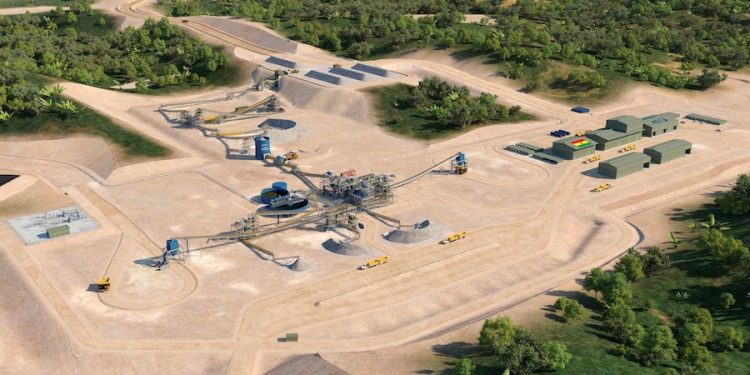
He warned that delays in ratifying the Atlantic Lithium agreement are not just halting mining operations but threatening livelihoods and social stability, adding that the crisis is the result of bureaucratic delays, not natural causes.
Osagyefo Amanfo Edu VI dismissed claims that the withdrawal of the agreement means the Ewoyaa Lithium Project has been cancelled, describing such reports as false.
He explained that the withdrawal followed concerns raised by civil society groups and experts seeking better terms for Ghana, allowing the Ministry of Lands and Natural Resources to conduct further consultations.
He noted that the original agreement with Barari DV Ghana Limited, a subsidiary of Atlantic Lithium, proposed a 10 percent royalty, 13 percent free carried interest for the state, and value-addition plans, including a chemical plant.
However, critics argued the royalty rate was inadequate and inconsistent with existing mining laws.
While welcoming efforts to renegotiate a better deal for Ghana, the Omanhen insisted that affected residents must be compensated immediately for destroyed homes and farmlands to protect their livelihoods as discussions continue.