







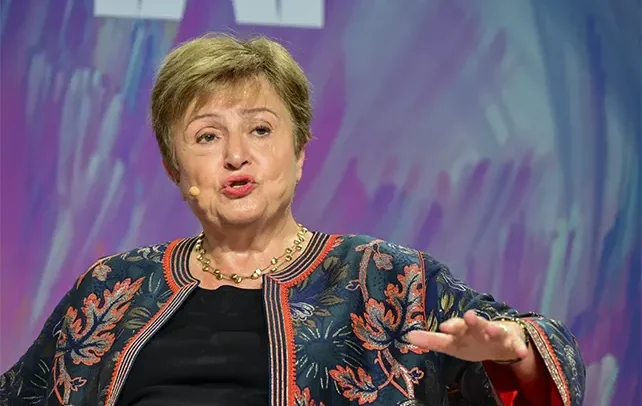

The World Bank, International Monetary Fund (IMF), and International Energy Agency have warned that the ongoing war in the Middle East could trigger food security challenges and job losses.
In a joint statement issued on Monday, April 13, 2026, in Washington, D.C., on the sidelines of the World Bank/IMF Spring Meetings, the three institutions said the conflict could lead to job losses and higher fuel prices in low-income economies, including Ghana.Women in PR
They noted that the heads of the institutions are part of a coordination group established in early April to maximise their collective response to the energy and economic impacts of the war.
“As we noted earlier this month, the impact of the war is substantial, global, and highly asymmetric, disproportionately affecting energy importers, particularly low-income countries,” the statement said.
According to the institutions, the shock has driven up oil, gas, and fertiliser prices, heightening concerns about food security and job losses.
At the same time, some oil and gas producers in the Middle East have experienced a sharp decline in export revenues.
“The situation remains very uncertain, and shipping through the Strait of Hormuz has yet to normalise. Even after the resumption of regular shipping flows, it will take time for global supplies of key commodities to return to pre-conflict levels, and fuel and fertiliser prices may remain high for a prolonged period due to infrastructure damage,” the statement added.
It further indicated that ongoing supply disruptions and shortages of key inputs are likely to have far-reaching implications for the energy, food, and manufacturing sectors. The conflict has also led to forced displacement, job losses, and a decline in travel and tourism, effects that may take time to reverse.
“Our teams are working closely, including at the country level, to leverage our respective expertise and help countries through tailored policy advice and, in the case of the IMF and World Bank, financial support where needed,” the statement noted.
The institutions emphasised their commitment to continued monitoring of the situation and coordination of responses to support member countries.
“We will continue to assess the impact of the war on energy markets, the global economy, and individual countries, and coordinate our support in collaboration with other international organisations to help lay the foundation for a resilient recovery that delivers stability, growth, and jobs,” parts of the statement read.
By Ebenezer K. Amponsah
Tags: business, IMF, Kristalina Georgieva