






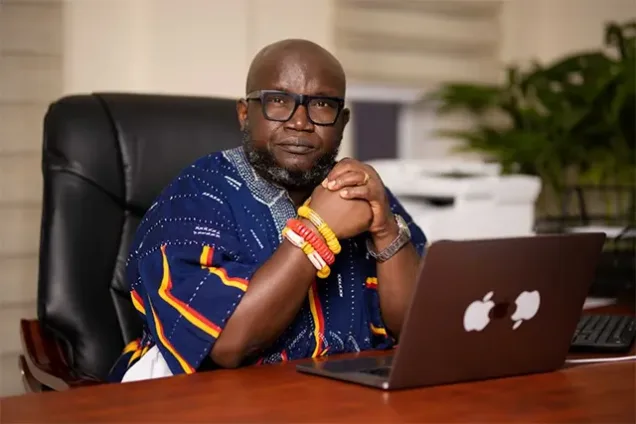

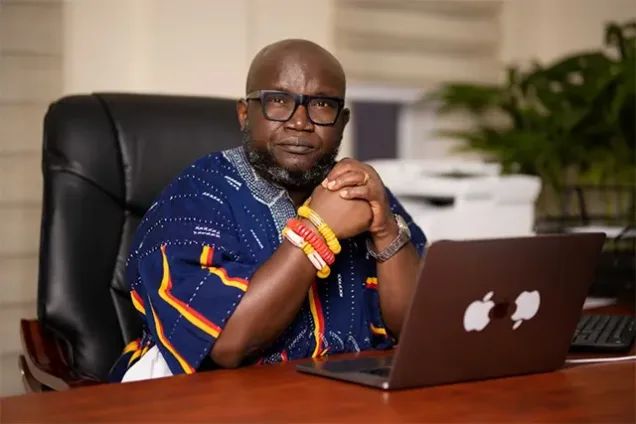
Media Manager, Dr Kenneth Ashigbey, has questioned the commitment of politicians and political organisations, including the governing National Democratic Congress (NDC) and the opposition New Patriotic Party (NPP), to independent journalism, saying neither party may want a media landscape strong enough to hold politicians to account.
He said the political parties’ influence over governance made it imperative for Ghana to have well-resourced and independent media organisations capable of scrutinising those in power without fear or favour.
Dr Ashigbey, who was speaking on the PM Express on Joy News on Monday, November 9, said the financial pressures confronting media houses, coupled with the growing dominance of major digital platforms in the advertising market, were making it increasingly difficult to sustain responsible journalism.
He was commenting on media personnel remuneration and President John Dramani Mahama’s announcement of a GH¢10 million allocation to the Media Development Fund.
“The politicians would not want independent media to thrive. They both, the NDC and NPP, would not want it to thrive,” he said.
Dr Ashigbey argued that the country could not afford a situation in which political interests and commercial pressures weakened the media’s ability to perform its constitutional role.
He said the growing shift of advertising revenue towards major digital platforms had squeezed traditional media organisations, leaving managers with fewer resources to support rigorous reporting and retain the personnel needed to produce quality journalism.
The result, he said, was an increasing reliance on public relations content at the expense of independent, critical and analytical journalism.
“The tendency for a lot of what I call PR journalism tends to drive what it is that we do rather than the very rigorous, critical, analytical, independent journalism that you can get,” he said.
Dr Ashigbey said the challenge was particularly serious in Ghana, where political parties exercised considerable influence over the governance process and where the media needed the financial strength to speak truth to power.
He questioned how the media, often described as the Fourth Estate, could effectively discharge that responsibility when it lacked the kind of public funding available to the other arms of government.
He observed that the Executive, Parliament and the Judiciary were funded with taxpayers’ money, but the media had no comparable guaranteed source of funding to support its constitutional responsibilities.
Media managers, he said, were already struggling to mobilise the resources required to finance the kind of journalism the country needed.
The media landscape was also undergoing significant changes, he said, with some independent news organisations elsewhere increasingly relying on subscriptions to finance their operations and maintain editorial independence.
Dr Ashigbey said Ghana needed to consider sustainable funding models that would give media organisations the capacity to produce critical journalism without becoming dependent on political or commercial interests.
While welcoming the proposed GH¢10 million allocation to the Media Development Fund, he cautioned that the establishment of a fund alone would not guarantee the growth of independent journalism.
He said citizens had a responsibility to demand a funding arrangement that would protect the media’s independence, rather than leave its future at the mercy of political goodwill.
Dr Ashigbey invoked the constitutional principle that sovereignty resided in the people, urging Ghanaians to use their collective voice to press for a system that would adequately support independent journalism.
He said the proposed fund presented an opportunity to address the media’s financial difficulties, but its success would depend on the willingness of stakeholders to create a framework that genuinely served the public interest.
Source: Myjoyonline.com