




Public sector leaders have urged ministers to reconsider the impact of the reforms, despite the Government insisting the changes will provide greater security for workers
NHS and fire service leaders have warned that public safety could be put at risk by Labour’s planned crackdown on zero-hours contracts.
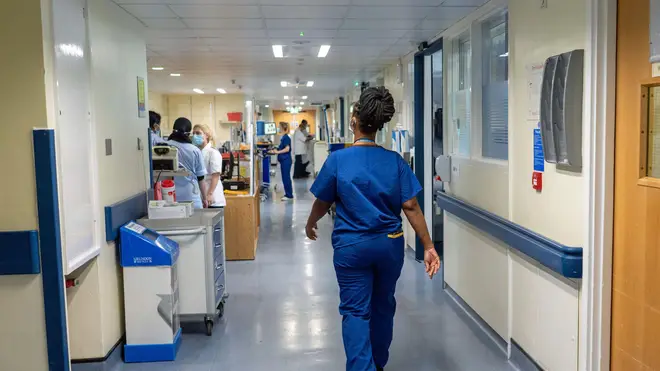
NHS leaders have raised concerns that the reforms could make it more difficult for hospitals to find staff to cover shifts and work additional hours during periods of high demand.
Fire services also rely on firefighters employed on zero-hours contracts, but under Labour’s proposed reforms, employers would be required to guarantee workers a set number of paid hours and to compensate staff when shifts are cancelled or rescheduled.
Ministers have defended the reforms, arguing they will provide greater security for millions of workers who face uncertainty over their weekly hours and earnings.
Trade unions have also backed the changes, saying they would offer workers greater financial protection when shifts are cancelled at short notice.
According to the Government’s impact assessment, more widely, workers are expected to receive between £5 million and £1.2 billion in payments as a result of new rights to compensation when shifts are cancelled or moved at short notice.
The Government has said the reforms will provide workers across the country with greater income security and more predictable working hours.
It also said it had engaged extensively with trade unions and businesses and would use evidence gathered through its consultation on zero-hours contracts to ensure the changes work in practice.
However, public sector bodies are urging ministers to consider the potential impact of the reforms before they come into effect in 2027.
The NHS Alliance told The Sunday Times that the proposals could have “significant unintended consequences”, with an estimated 800 additional administrative workers and 610 full-time managers needed to manage the changes.
The organisation also warned that the reforms could cost the health service £900 million a year at a time when it is already under considerable pressure.
More than 180,000 NHS workers are employed through staff banks, which allow them to take on shifts at short notice on a zero-hours basis.
Hospitals rely heavily on these workers to fill staffing gaps and respond to unexpected increases in demand.
Ben Morrin, chief executive of NHS Employers, told the newspaper: “They could reduce the flexibility that many bank workers actively value, increase bureaucracy and generate substantial unbudgeted costs at a time when the NHS is focused on improving productivity and delivering better value for taxpayers.
“The government’s current proposals do not adequately reflect the operational realities of delivering healthcare services 24 hours a day, seven days a week. Flexible staffing arrangements play a vital role in maintaining safe care, responding to fluctuating demand and reducing reliance on more expensive agency workers.”
Fire service leaders have also called on the Government to consider how the changes could affect emergency response staffing, warning that “emergencies are not predictable and their numbers are not consistent across the year”.
In response to the concerns raised by public sector leaders, a Government spokesperson said: “We are committed to tackling the one-sided flexibility that can result from zero-hours and similar contracts, when workers bear all the financial risk of uncertain hours, shifts and earnings.”
“We’re grateful for the many responses we received to our consultation. We are taking them fully into account and working to get the detail right so that the new rights work in the real world — including for the NHS and other public services.”