






By Kofi Marfo(Sir Richie)

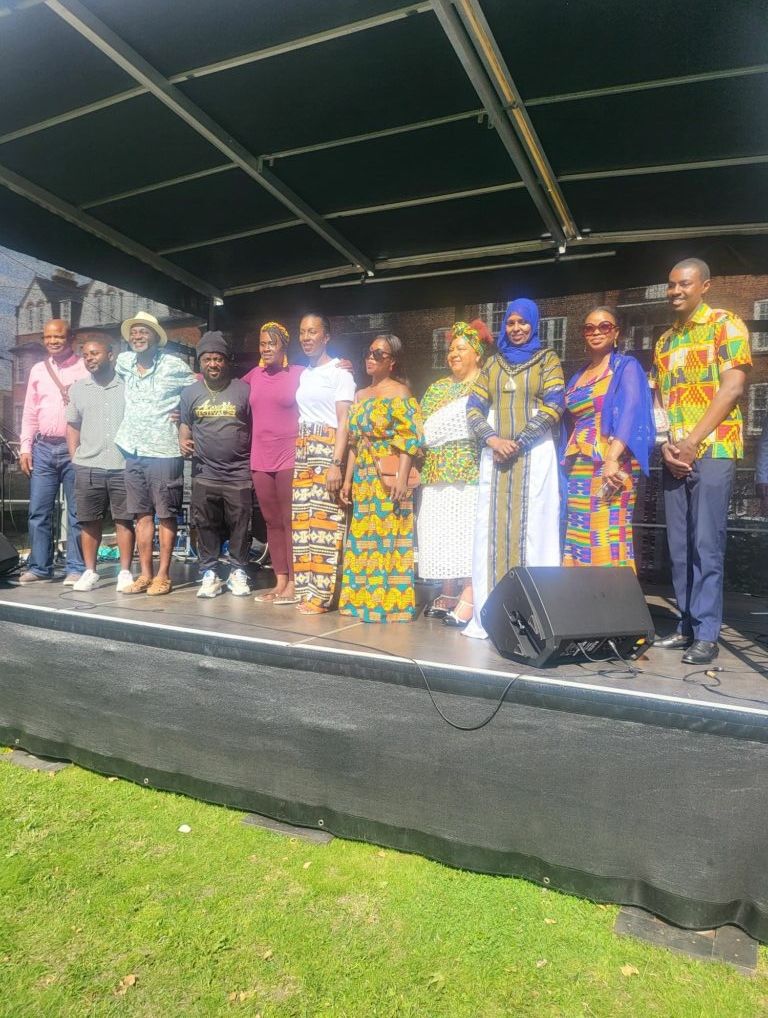
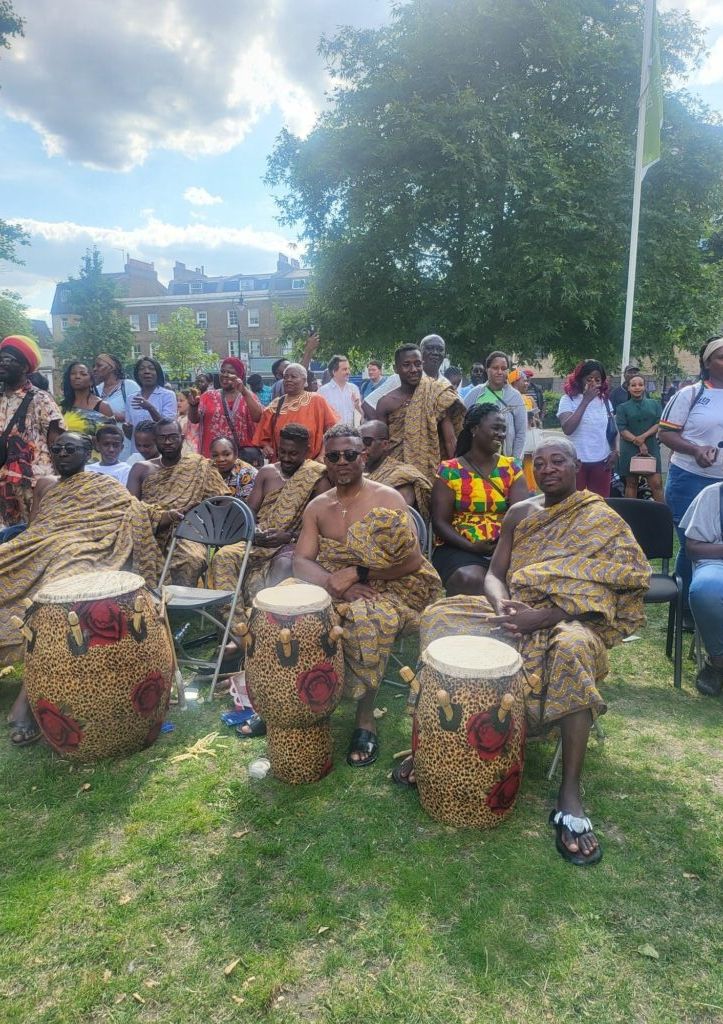
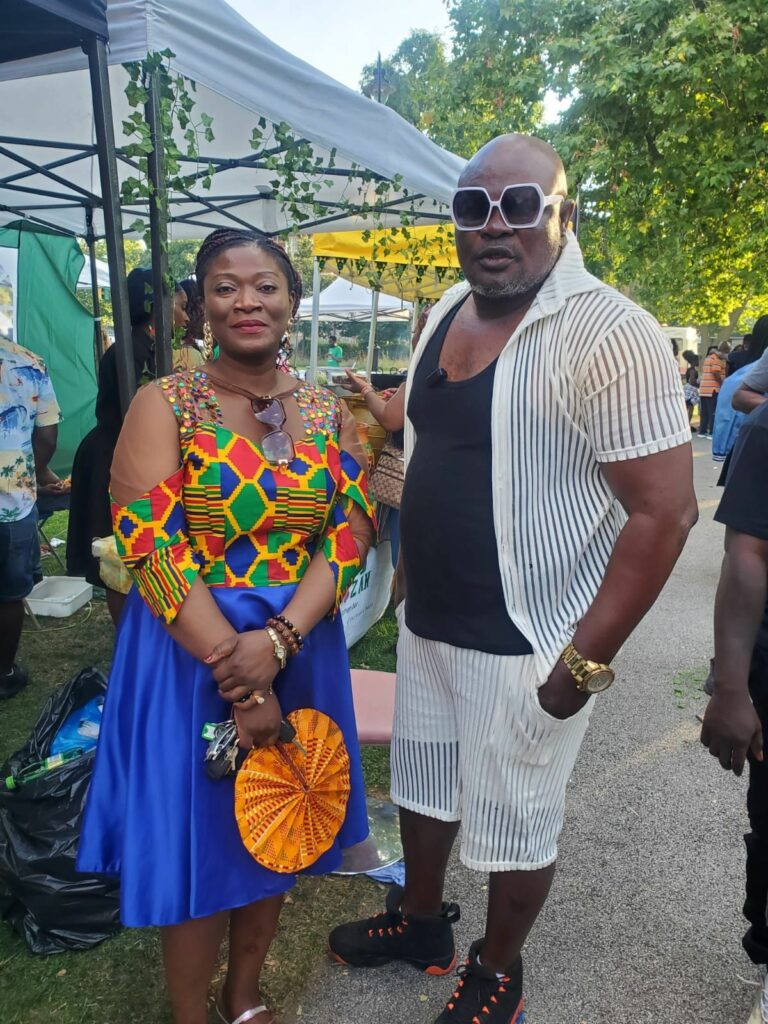
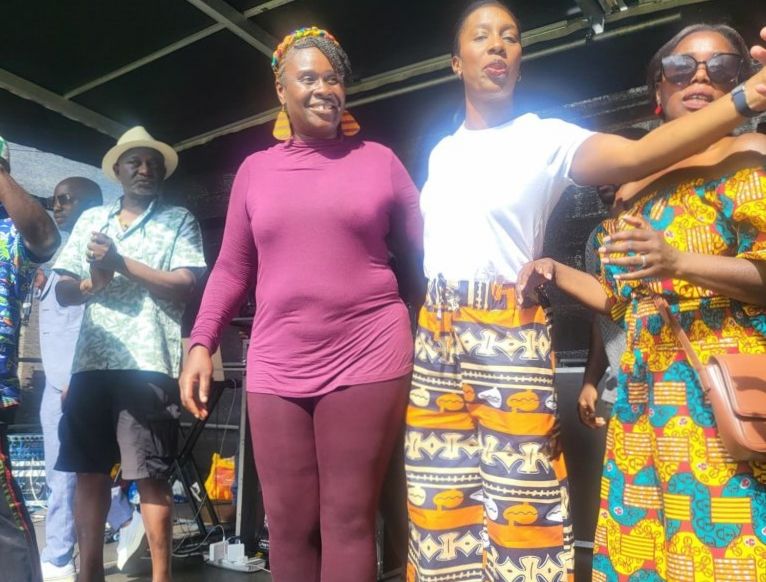
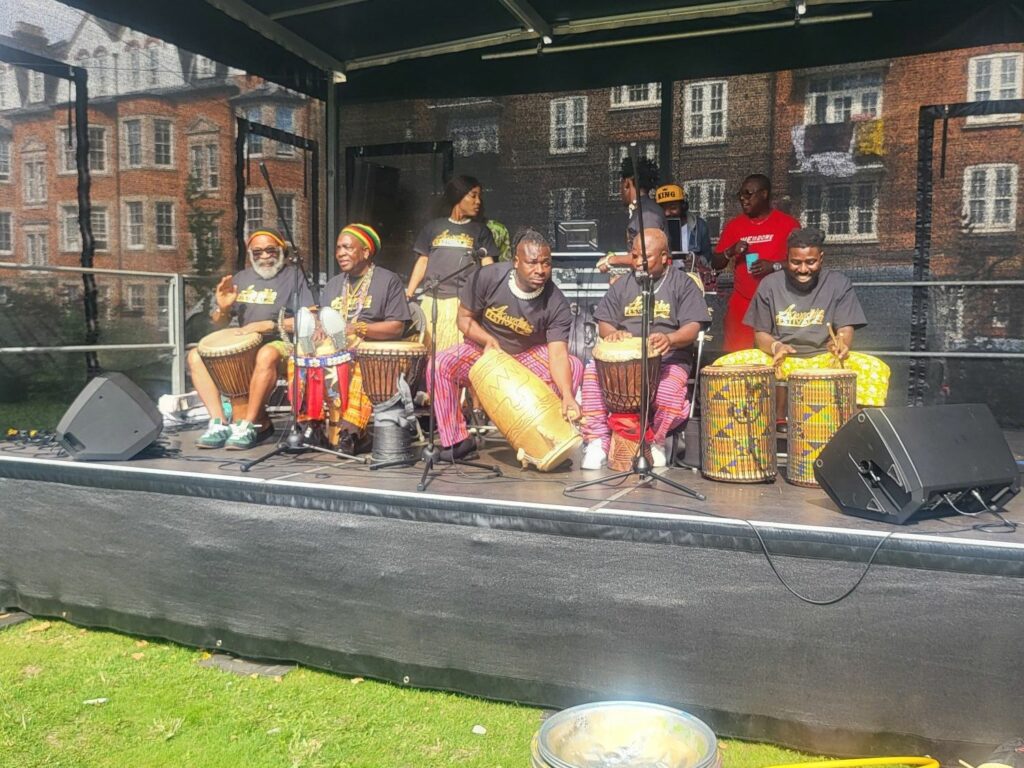
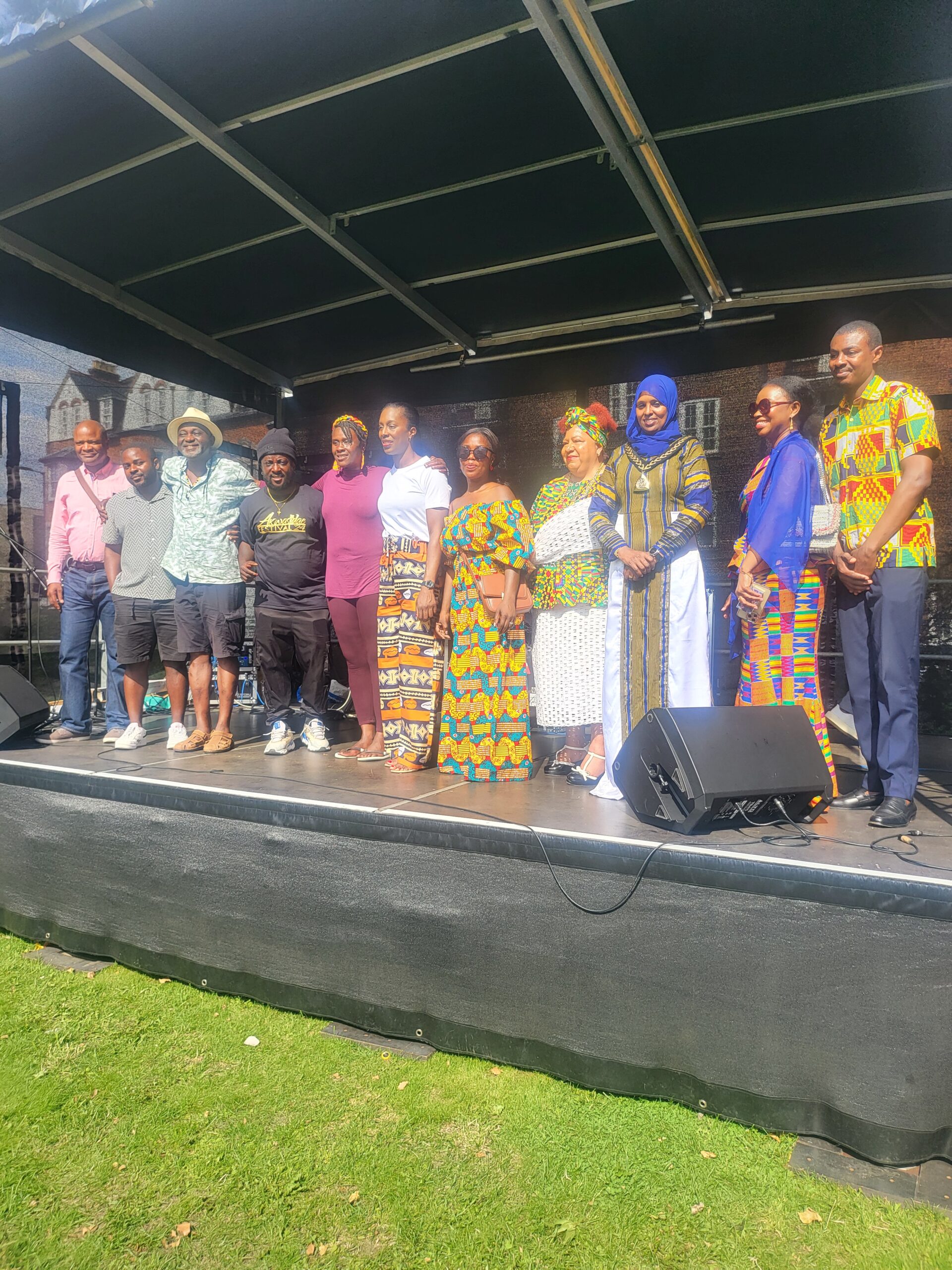
Renowned Ghanaian musicians delivered captivating live performances at the Akwesidae festival, organized by the Southwark Black Parents Forum in London. Notable celebrities in attendance included Nana Quame, Krymi, Atumpan, Bukom Banku, Gladys Bosco, and Mista Silva.
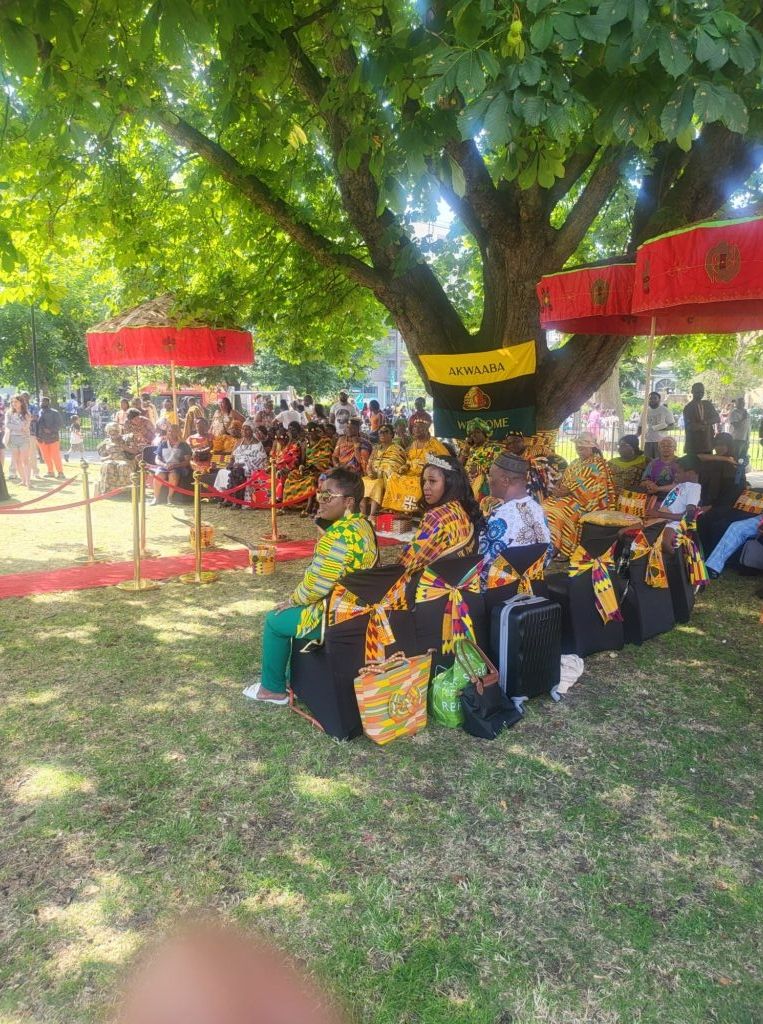
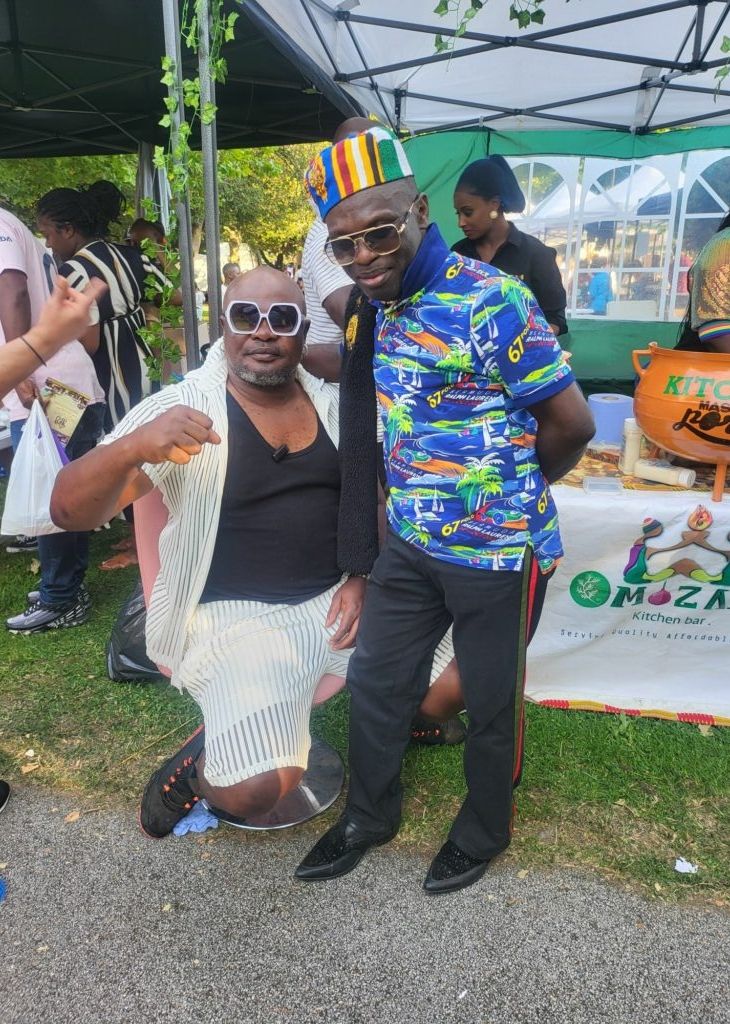
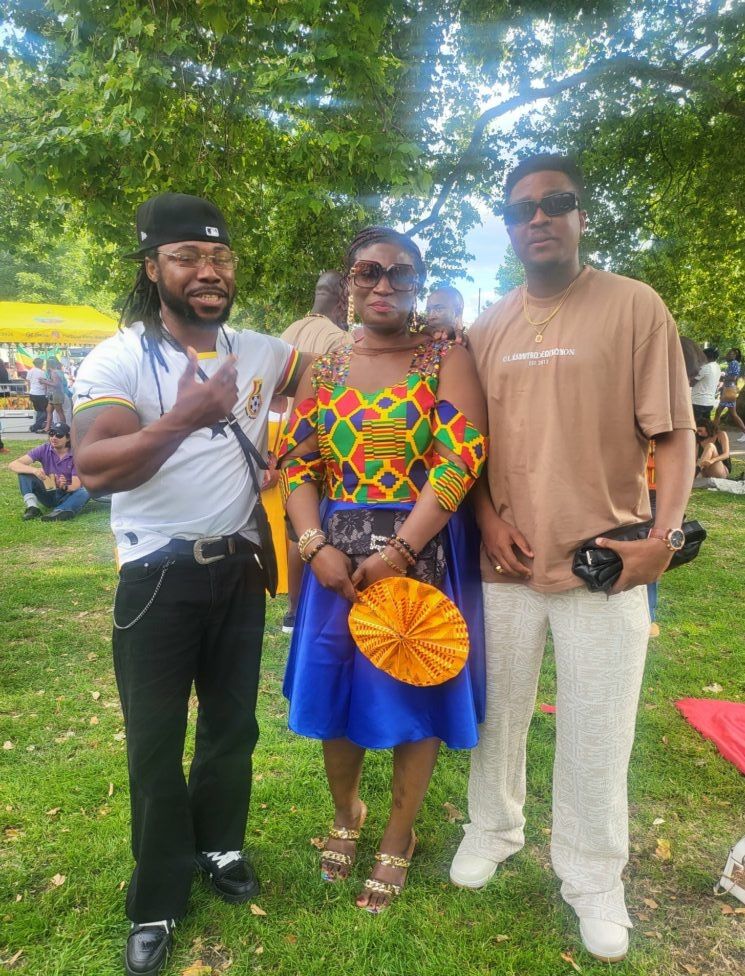
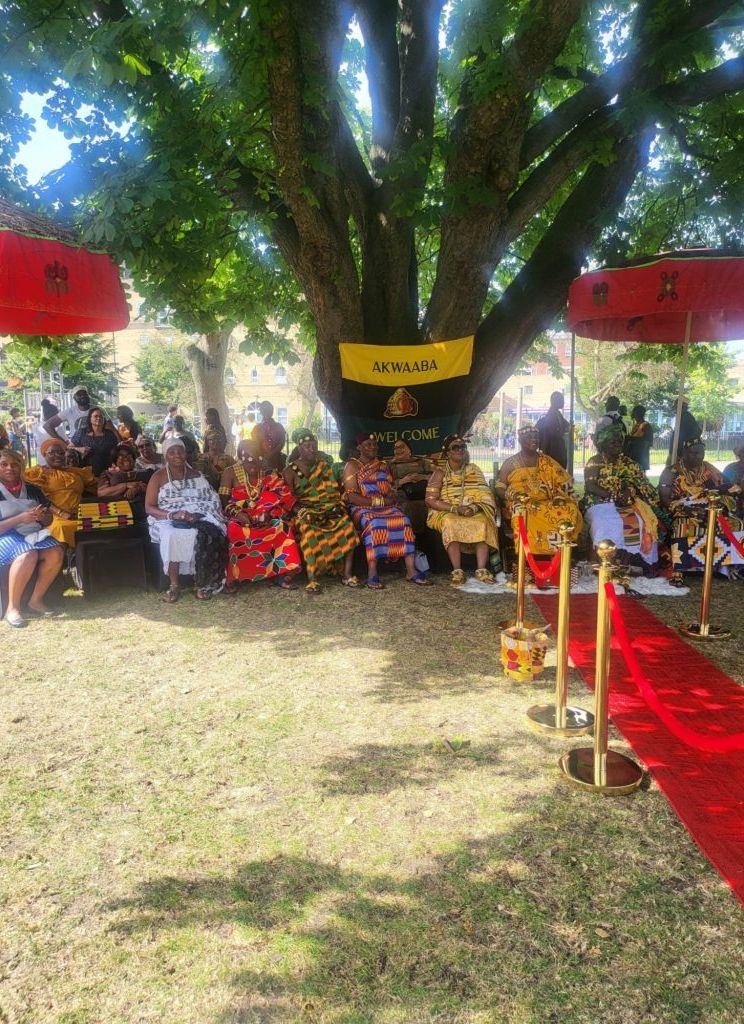
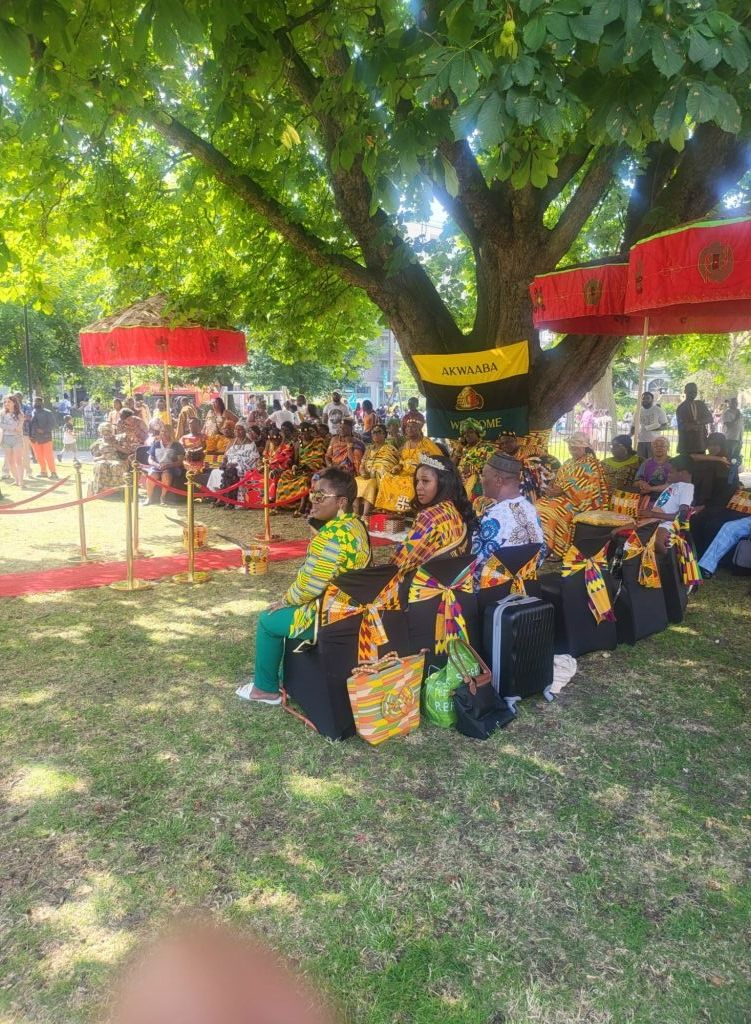
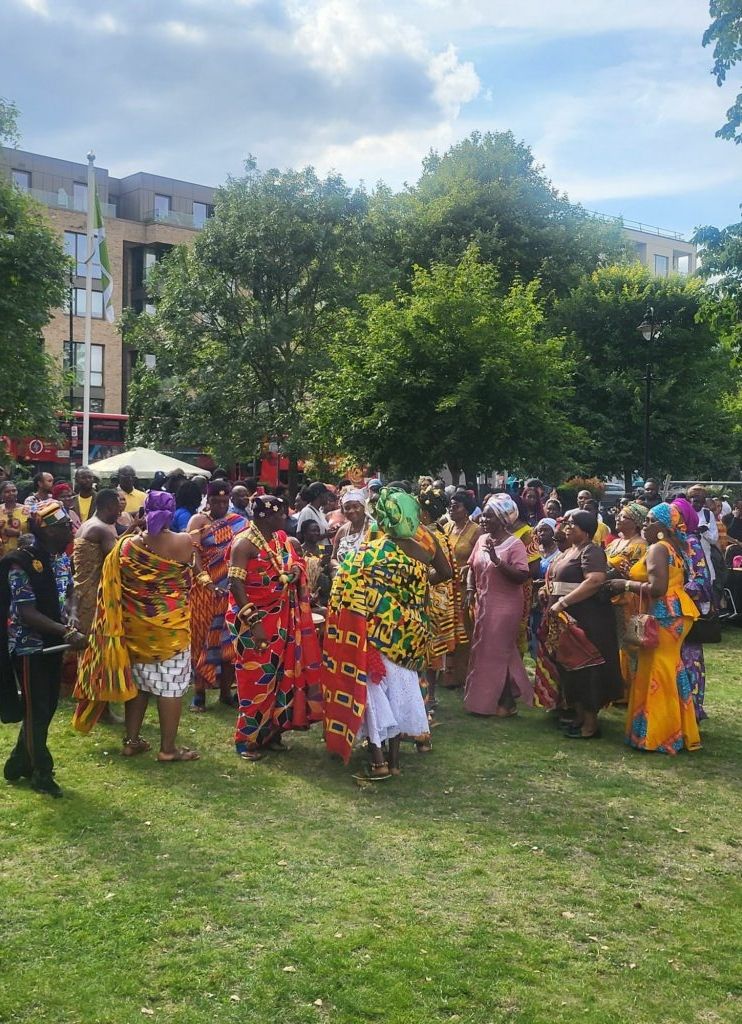
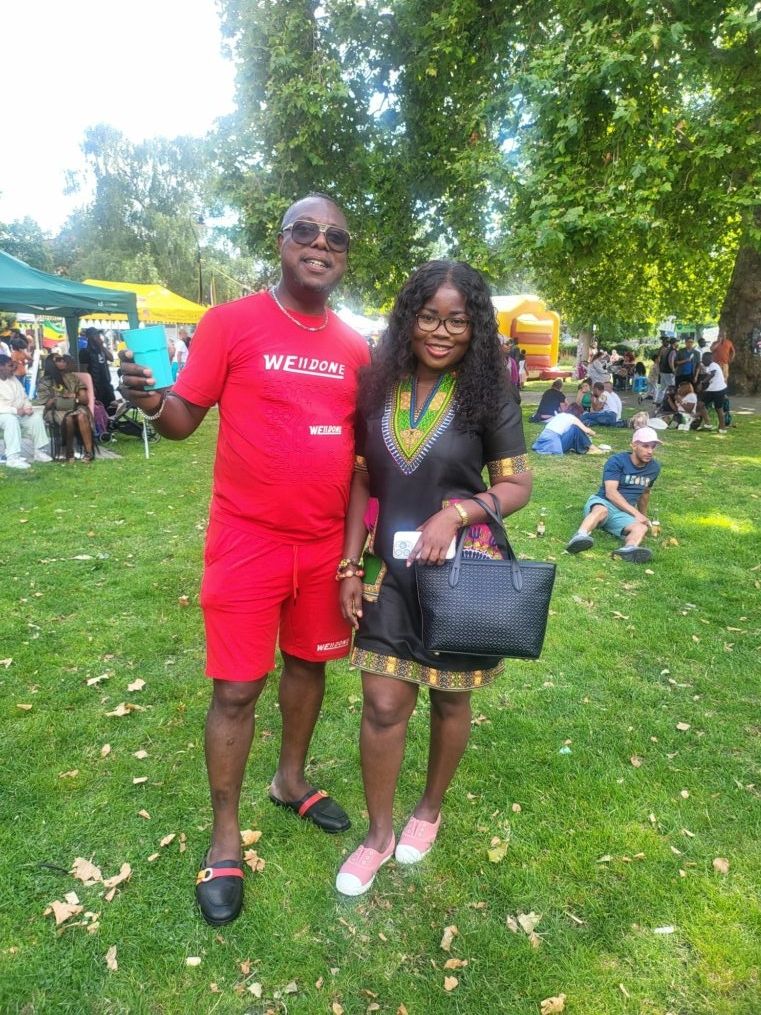
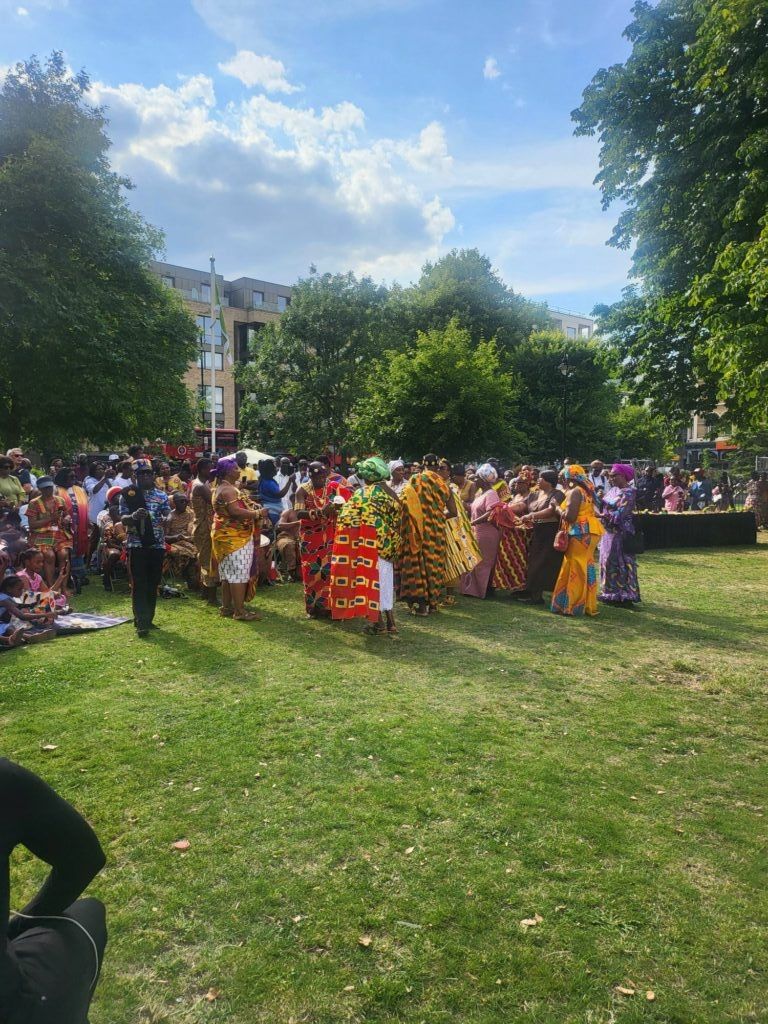
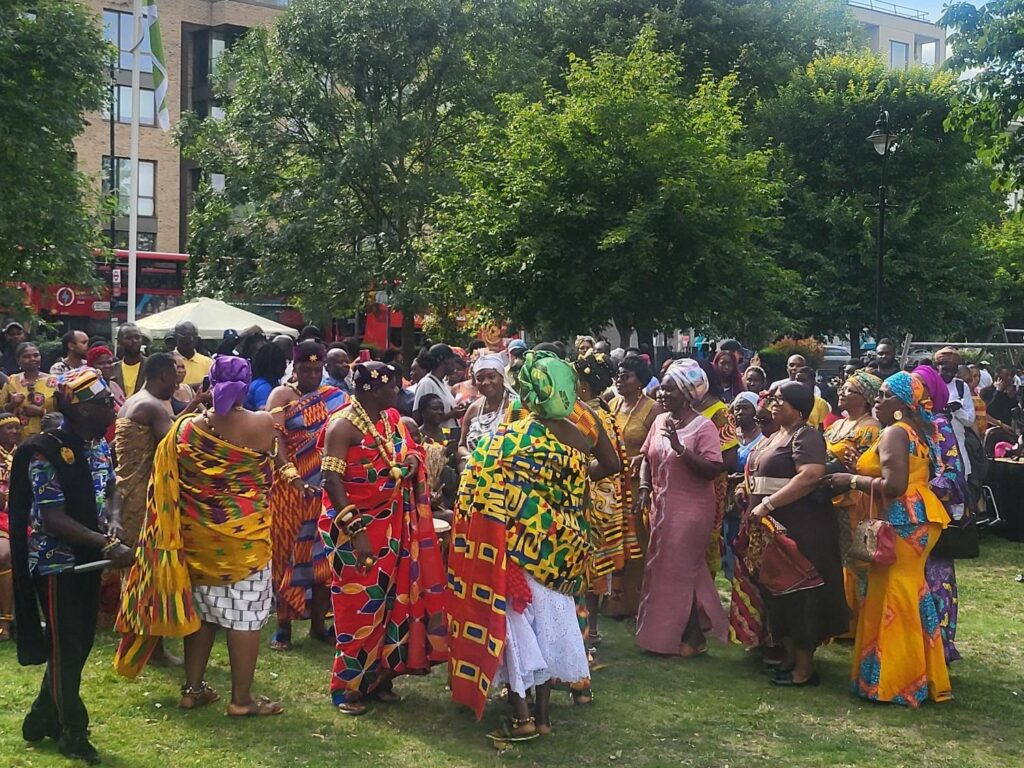
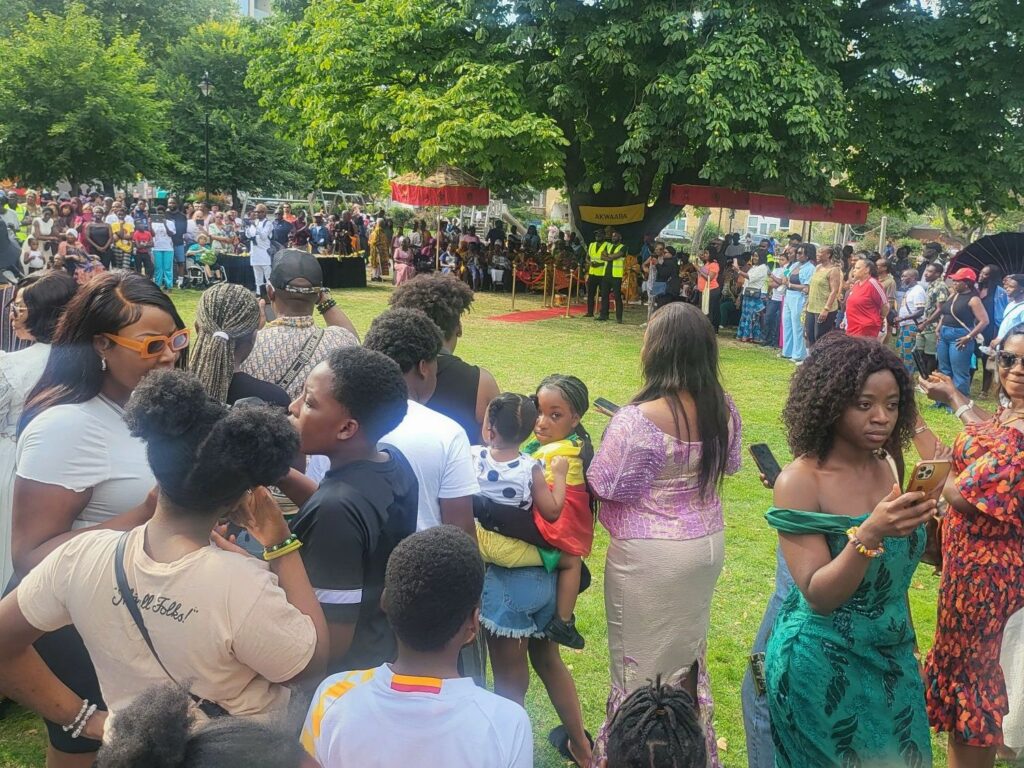
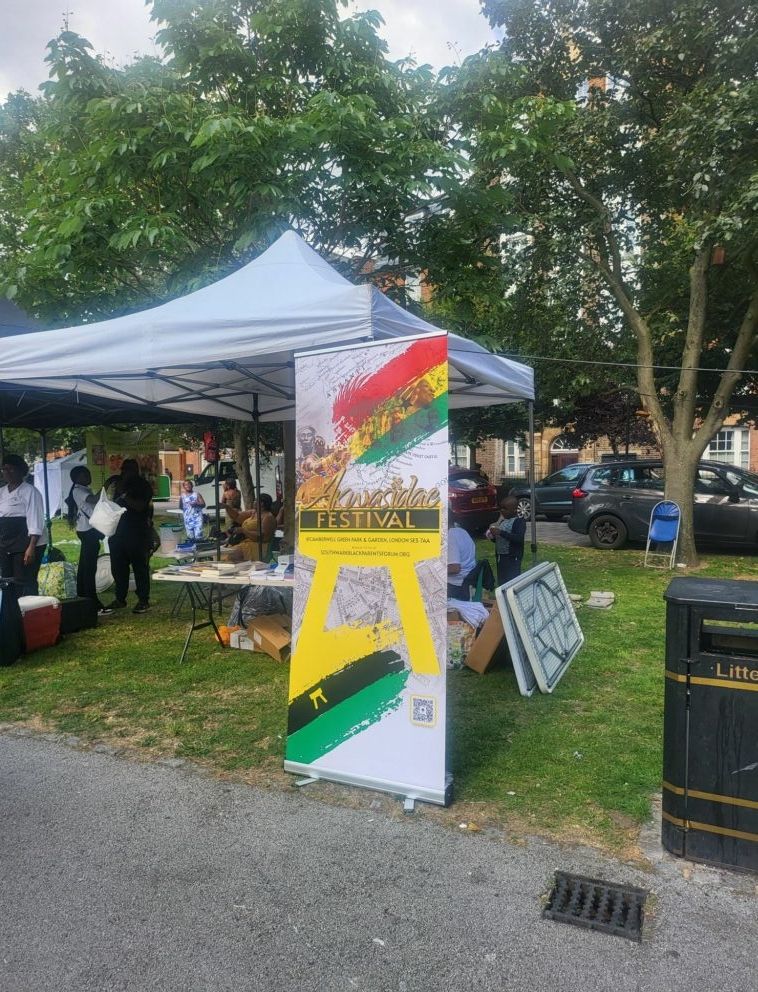
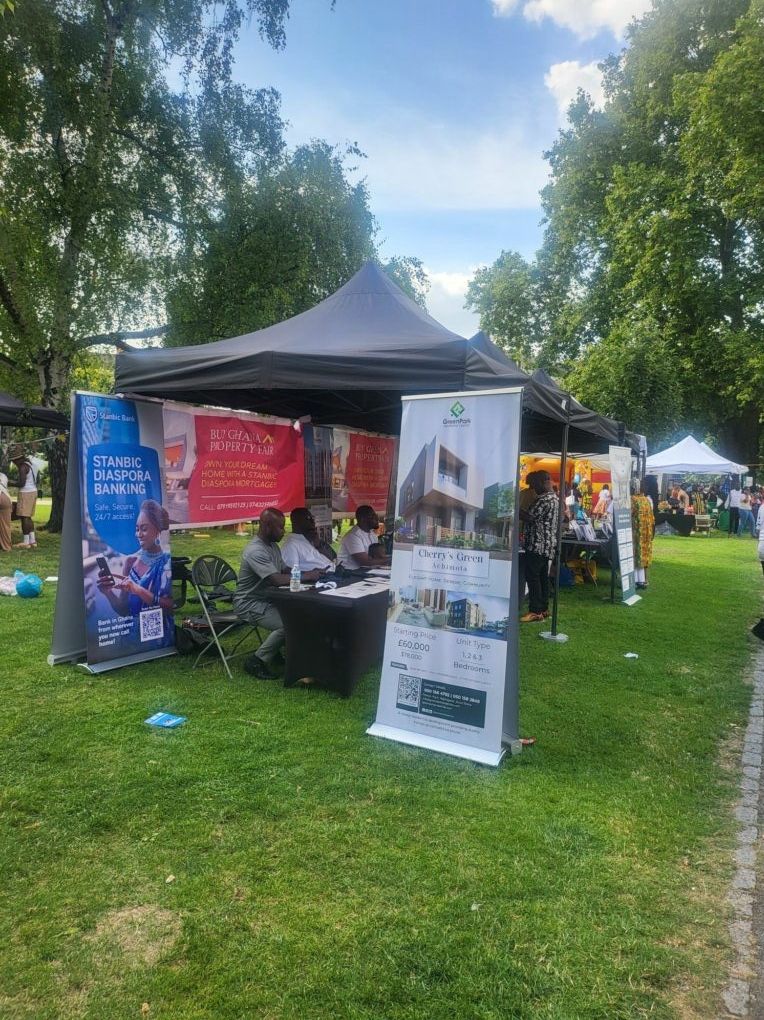
The Akwasidae Festival 2024 was celebrated with grandeur on Sunday, July 28, 2024, at Camberwell Green in London, drawing thousands from the city and beyond.
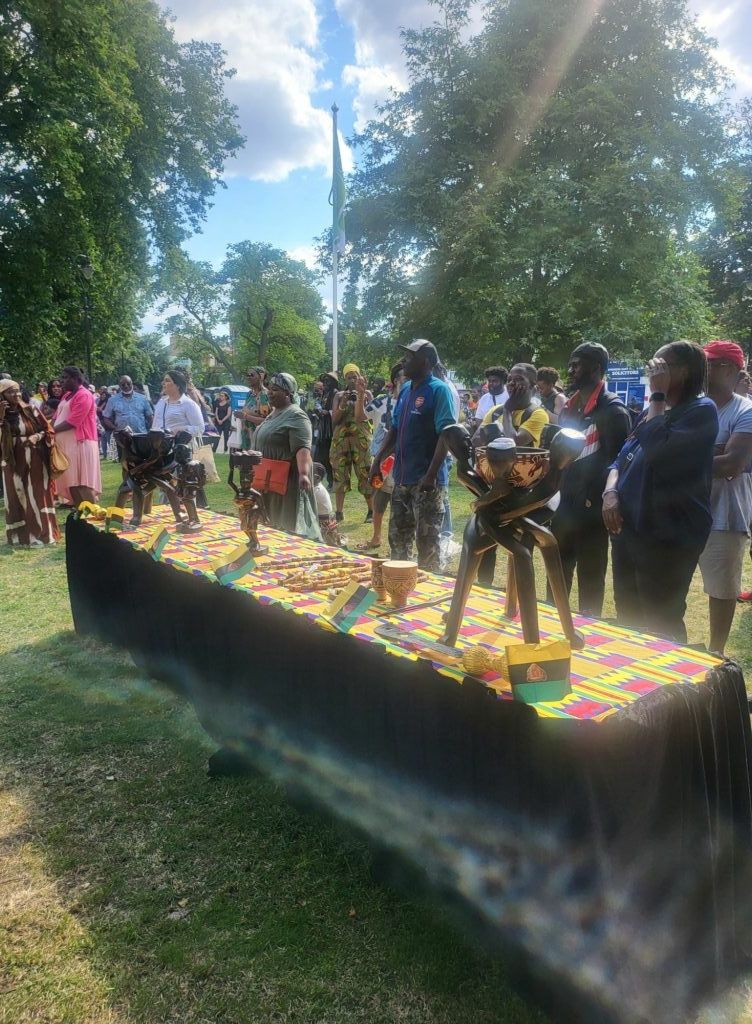
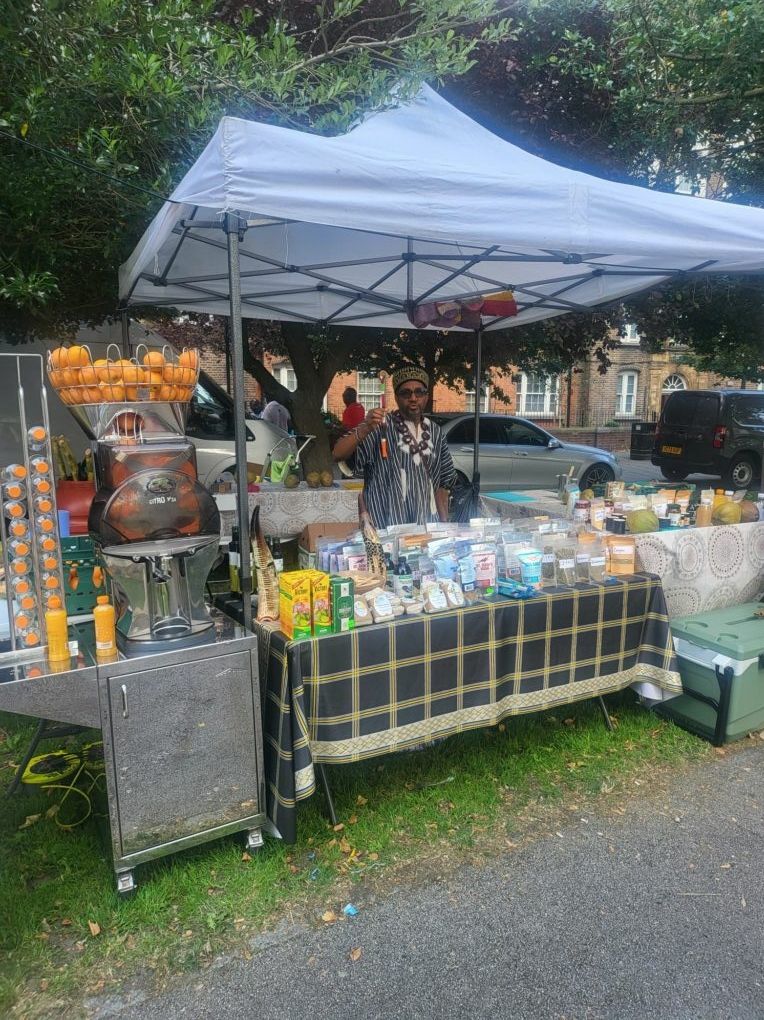
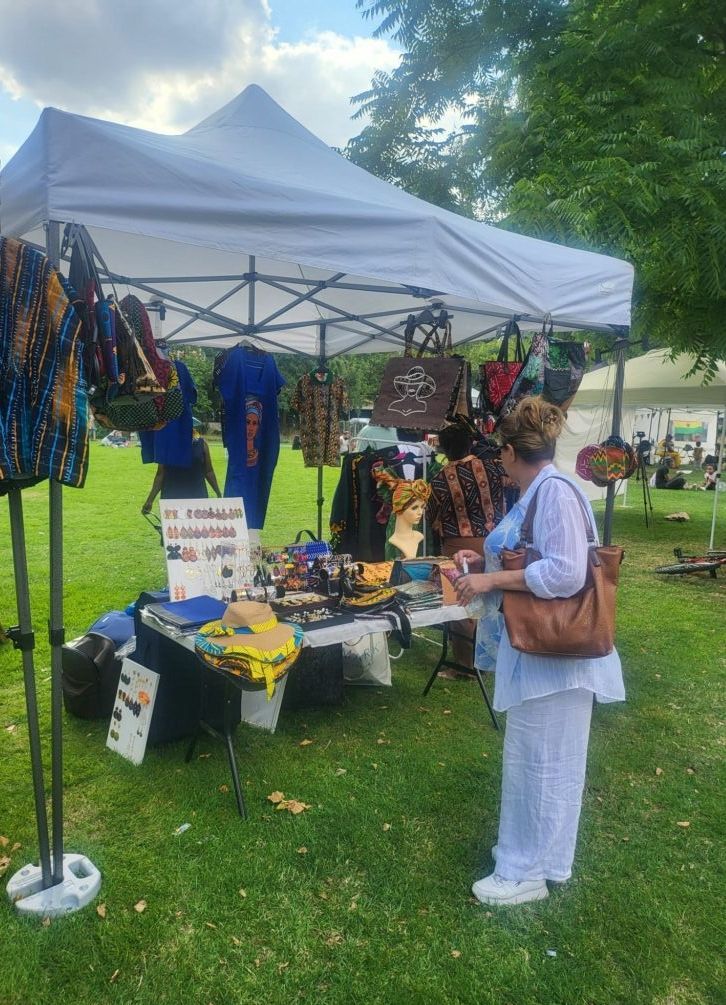
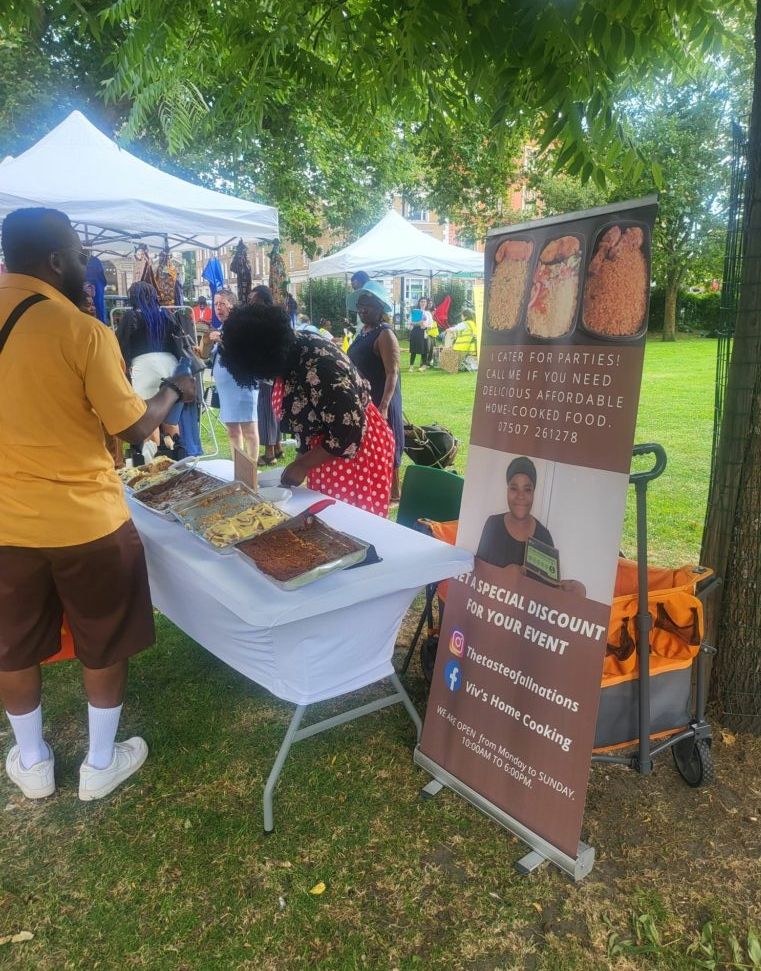
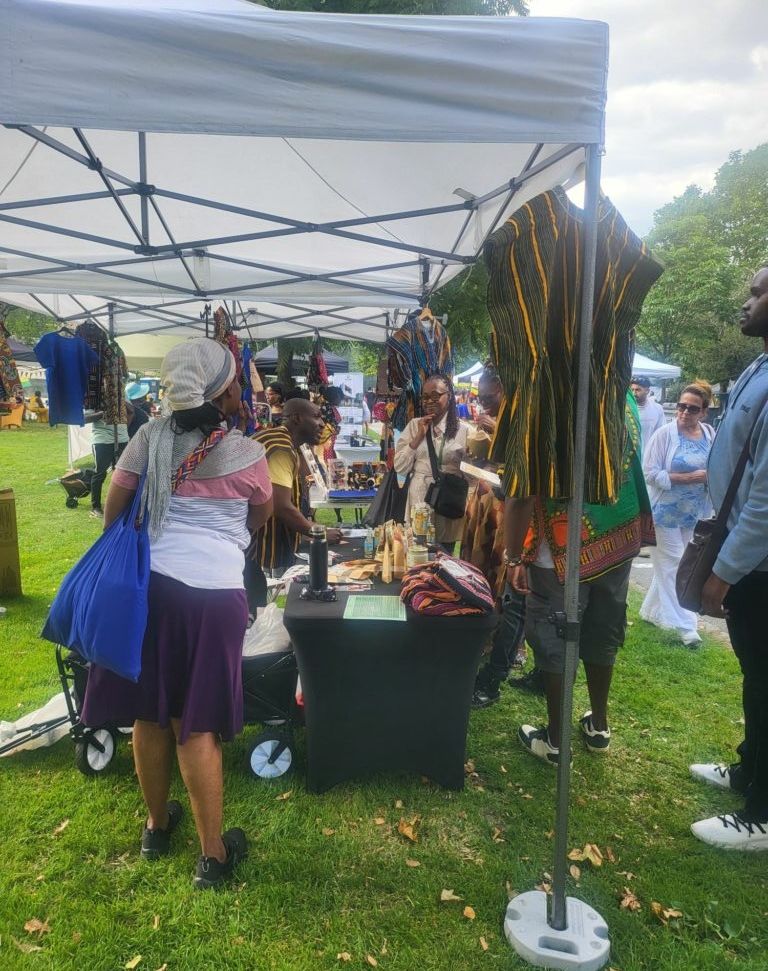
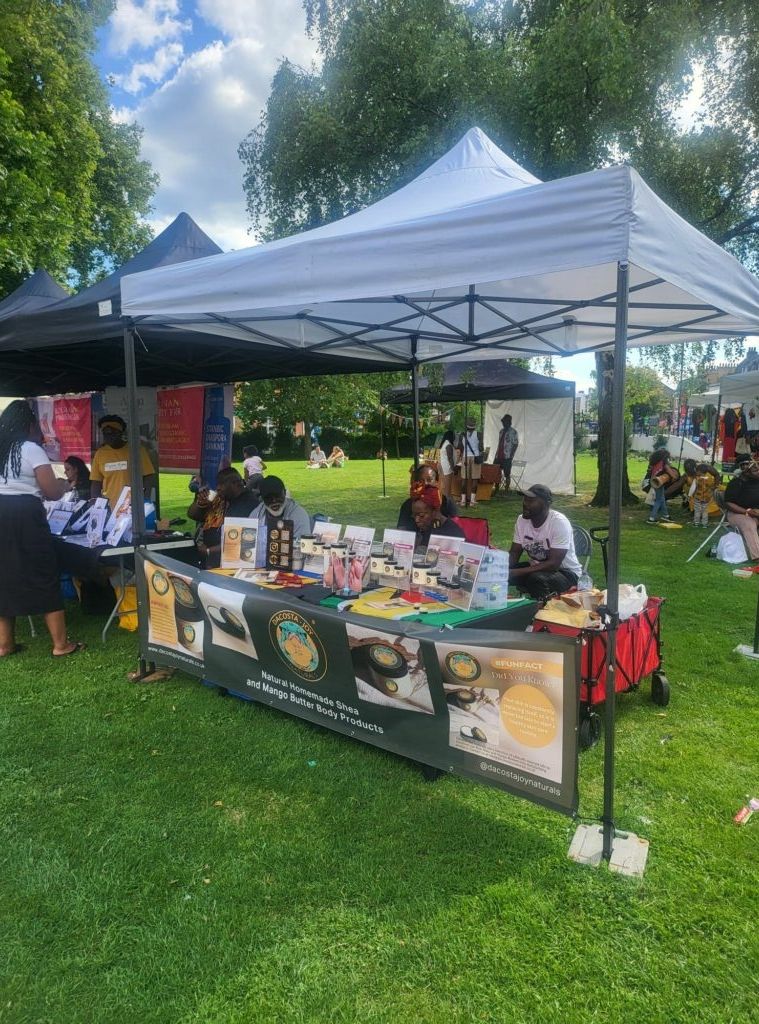
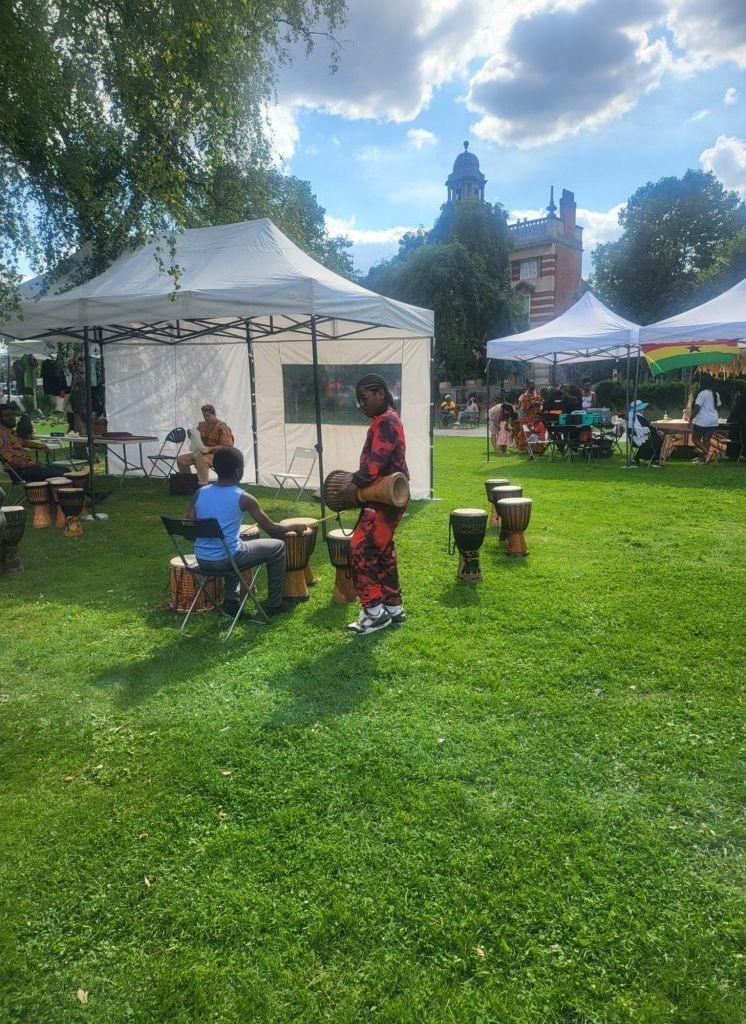
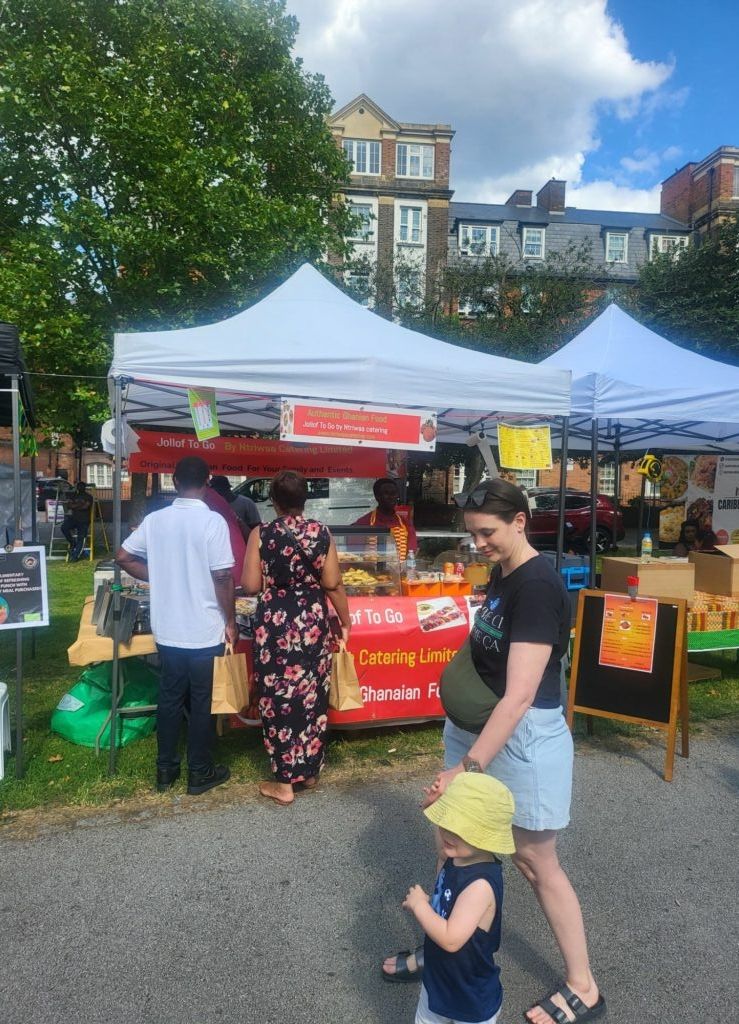
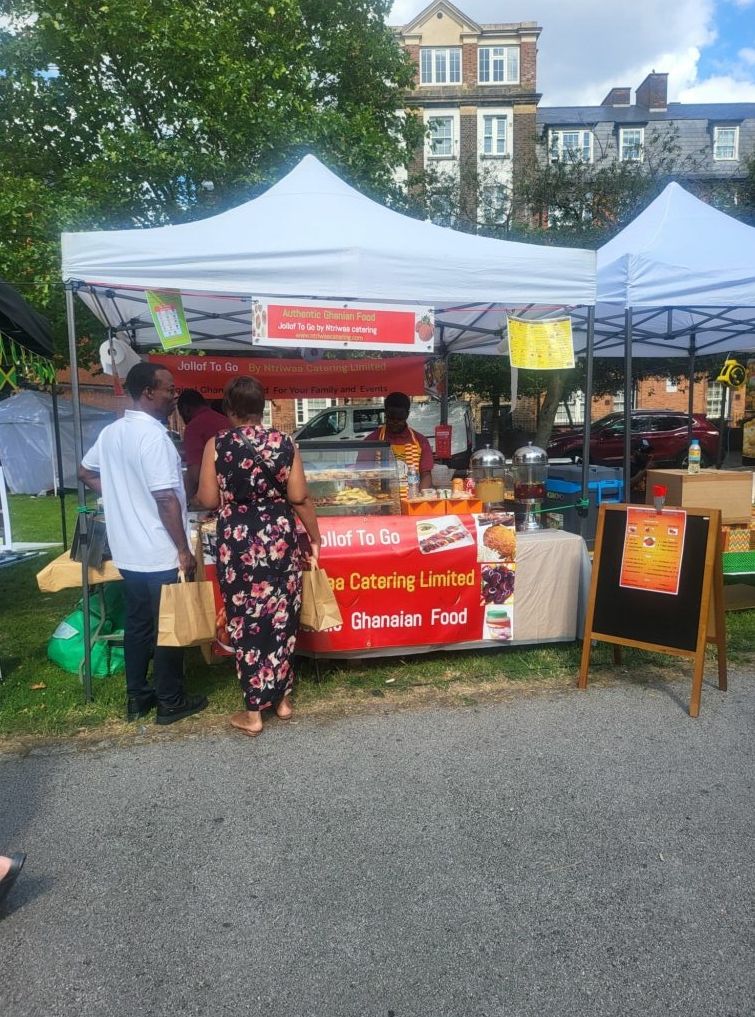
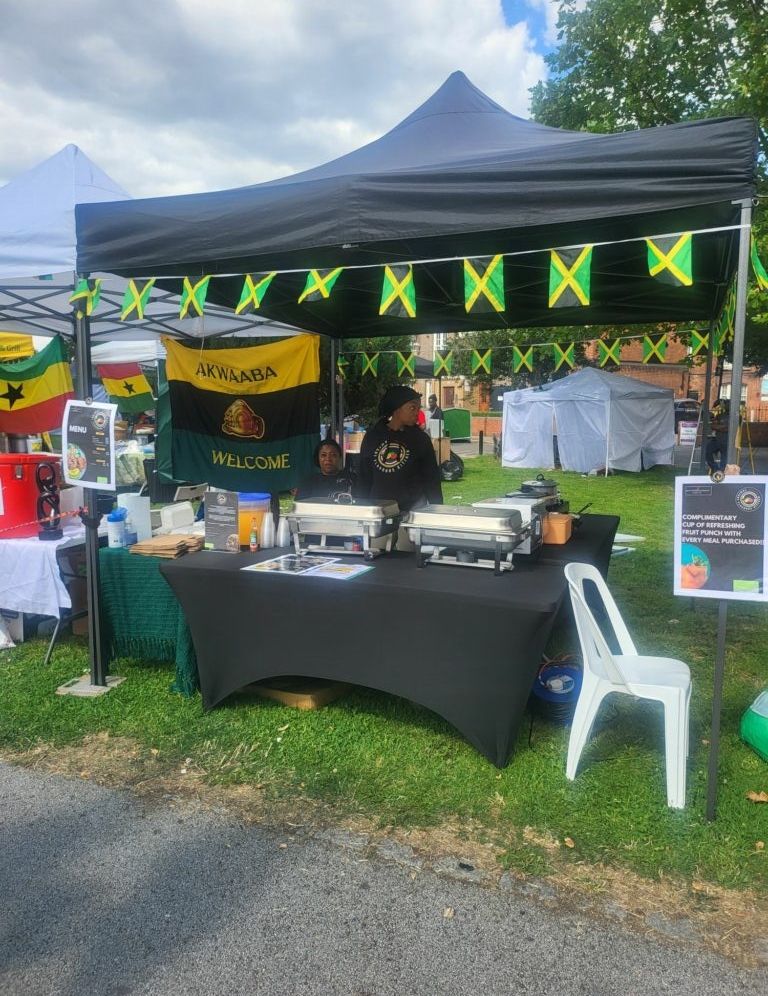
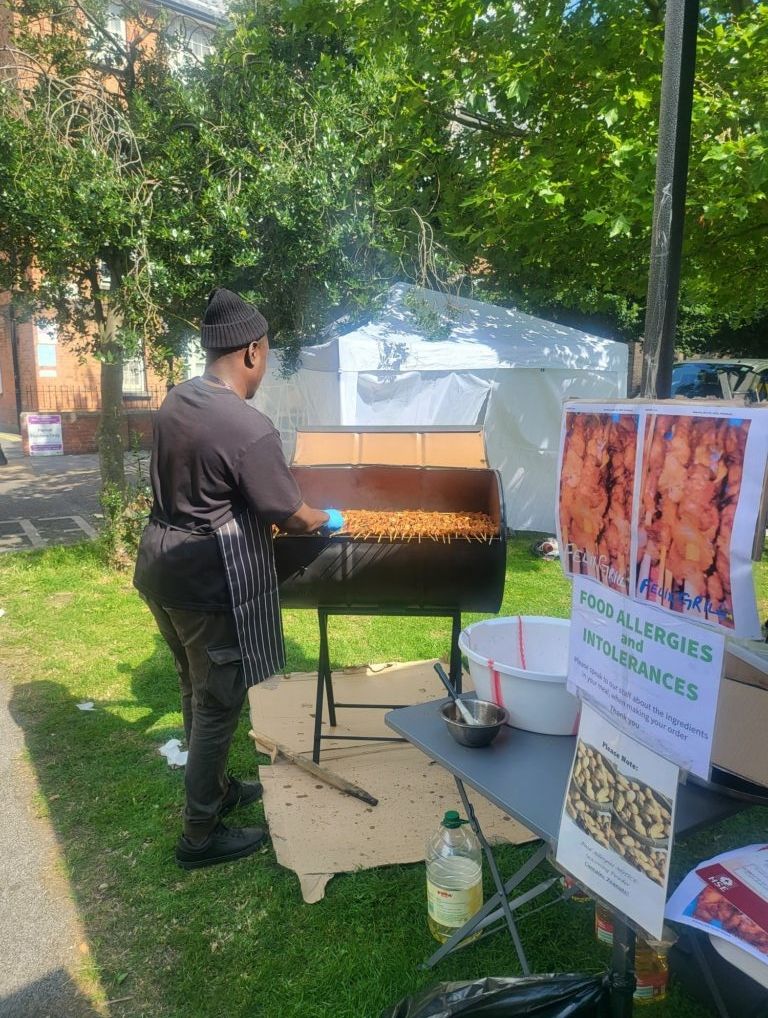
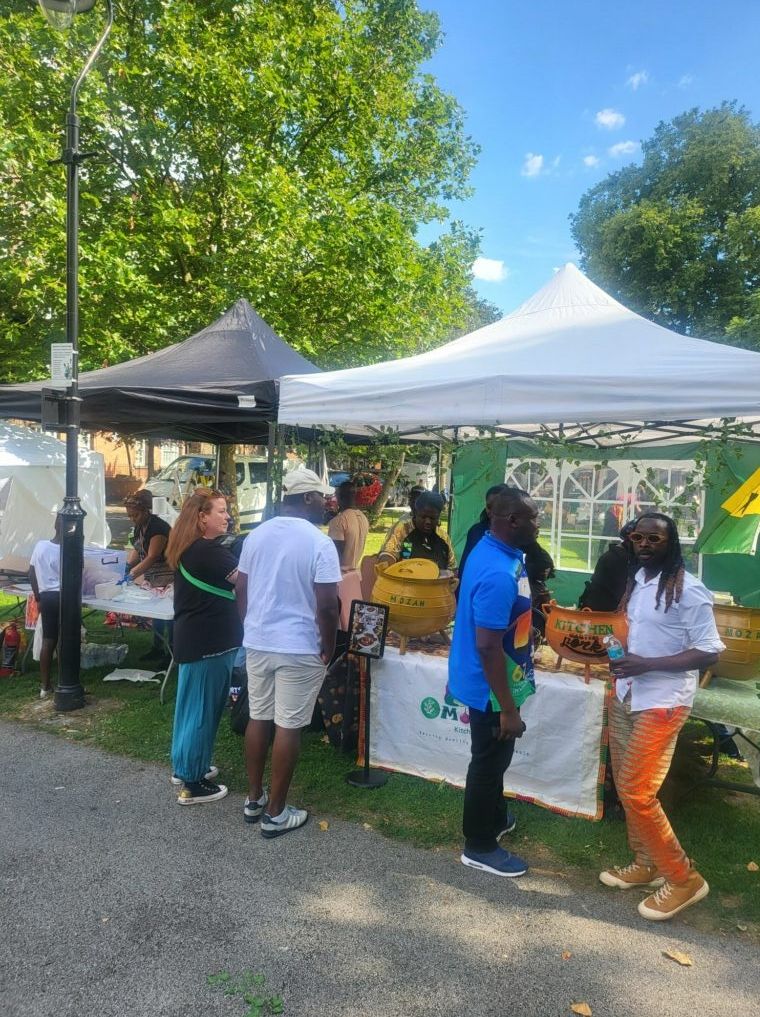
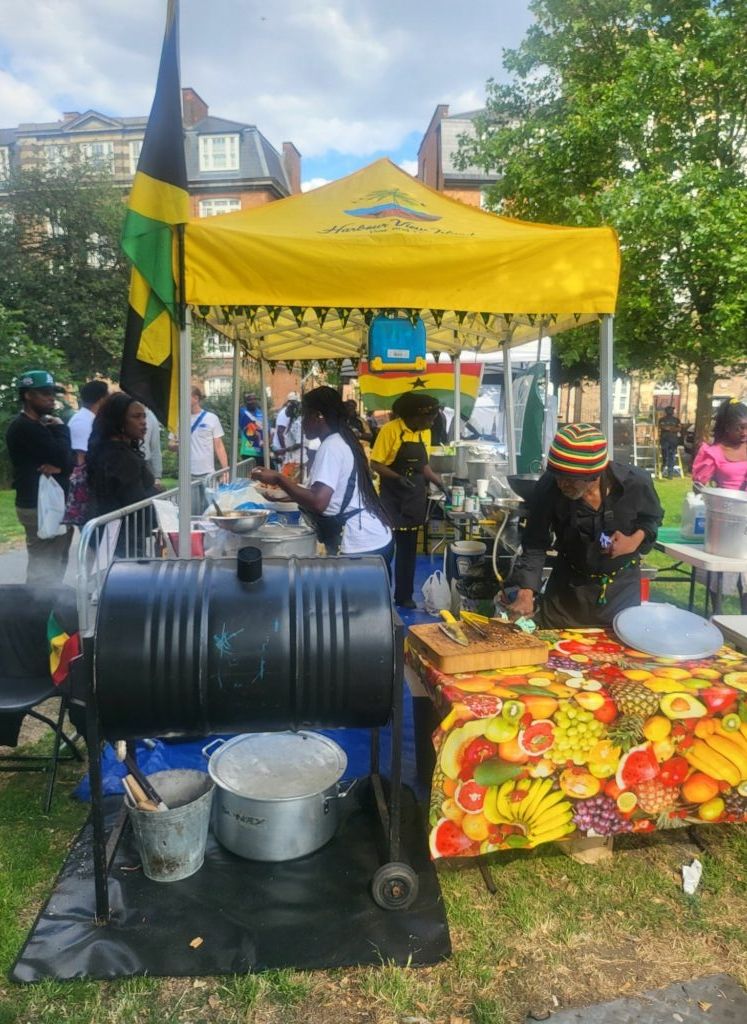
The event, orchestrated by the Southwark Black Parents Forum, paid homage to the rich cultural traditions and royal heritage of the Akan people. Attendees experienced a cultural extravaganza of drumming and dancing, along with a sampling of traditional Ghanaian cuisine.
The live performances were noted for their fidelity to the original recordings, enhanced by the unique energy that only a live setting can provide.
The Akwasidae Festival is a significant cultural event celebrated by the Ashanti people of Ghana. Its origins date back to the late 17th century during the reign of King Osei Tutu, the founder of the Ashanti Empire, and his spiritual advisor, Okomfo Anokye. The festival was established to honor ancestors and Ashanti gods, ensuring their blessings and protection over the kingdom.
The name “Akwasidae” is derived from two Akan words: “Akwasi” (Sunday) and “Dae” (day), reflecting its celebration every six weeks on a Sunday, following the Akan calendar. The festival marks the seasons and timings for various agricultural activities and is celebrated nine times a year.
One of the most important aspects of the Akwasidae Festival is the Adae Kese, or “Big Adae,” celebrated twice a year. This grander version of the regular Akwasidae Festival involves special rituals performed by the Ashanti King, or Asantehene, to honour ancestors and seek their guidance for the kingdom’s prosperity.
The festival includes elaborate ceremonies, drumming, dancing, and the display of traditional regalia, showcasing the Ashanti’s wealth, power, and artistic prowess. It serves as a unifying force for the Ashanti people, reinforcing their cultural identity and heritage.