









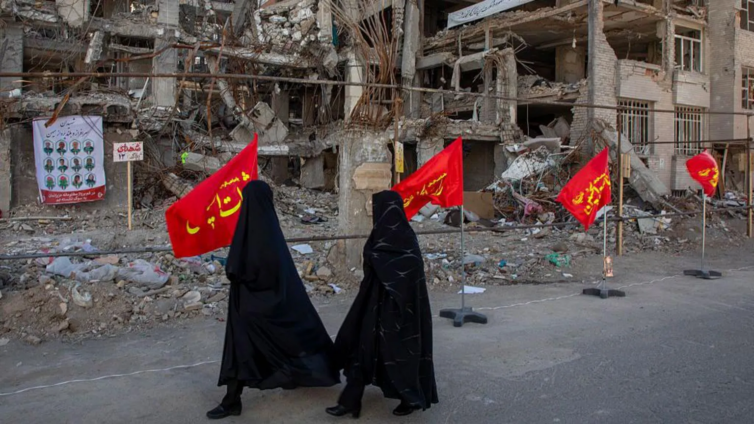

Alarm over the impact of the Iran war on the global economy grew on Monday with more countries announcing emergency support measures to combat rising energy costs, while others appealed for international support.
The conflict – the third major shock to hit the world’s economy after the COVID pandemic and Russia’s invasion of Ukraine – will dominate this week’s gathering of finance officials at the International Monetary Fund in Washington.
Any lingering hopes of an early restart of oil shipments through the Strait of Hormuz chokepoint were dashed after the failure of U.S.-Iran talks over the weekend, leaving a fragile ceasefire in even greater jeopardy.
The IMF and World Bank have already signalled they will downgrade their forecasts for global growth and raise their inflation forecasts as a result of the war, with emerging markets and developing countries seen as hit hardest.
Nigeria said on Monday it would need greater international support to combat rising fuel costs at home, even as higher crude prices boosted foreign exchange earnings for Africa’s top oil producer.
“The shock comes at a critical transition point, intensifying inflationary pressures and raising living costs for households,” Finance Minister Wale Edun said in a statement ahead of this week’s meetings in Washington.
Local petrol prices have surged more than 50% and diesel more than 70% since the start of the conflict, Edun said, adding that the shock threatened to derail efforts launched in 2023 to stabilise the economy and revive growth.
Few countries are immune to the aftershocks of the halt in energy shipments through the strait since the war began on February 28, triggering the world’s worst-ever supply disruption.
Dozens of governments have already taken measures aimed at conserving energy or supporting consumers.
Germany’s coalition government, which initially resisted calls to provide support, said on Monday it had agreed fuel price relief for consumers and businesses worth 1.6 billion euros ($1.9 billion) via cuts to levies on diesel and petrol.
“This war is the real cause of the problems we are experiencing in our own country as well,” Chancellor Friedrich Merz said at a press conference.
Sweden’s government said it would also cut fuel taxes and hike electricity subsidies in a package worth around $825 million.
“It is a signal that we will do whatever it takes to … dampen the blow to households of what is happening now,” Finance Minister Elisabeth Svantesson told reporters.
British finance minister Rachel Reeves is due later this week to set out her approach to helping businesses struggling with high energy prices. In a column for the Sunday Times, she wrote that UK manufacturers had “faced uncompetitive energy prices for too long”.
Separately, Prime Minister Keir Starmer referred to conflict around the world as he explained his government’s plans to realign with the European Union and its large single market, a decade after his country voted in favour of leaving the EU.
“We’re in a world where there’s massive conflict, great uncertainty, and I strongly believe the UK’s best interests are in a stronger, closer relationship with Europe,” he told BBC radio.
The Iran war is also upending central bank policy around the world as policymakers try to understand how much it will hit economic growth and heighten inflation – potentially at the same time in what would be an unwelcome bout of “stagflation”.
European Central Bank Vice President Luis de Guindos said on Monday any ECB rate rise would depend on how rising crude oil costs affected prices in the wider economy.
Policymakers at the Bank of Japan are also keeping their options open before their rate-setting meeting this month, but with fading chances for a rate hike once seen as a strong possibility.
DISCLAIMER: The Views, Comments, Opinions, Contributions and Statements made by Readers and Contributors on this platform do not necessarily represent the views or policy of Multimedia Group Limited.
Source: Reuters