




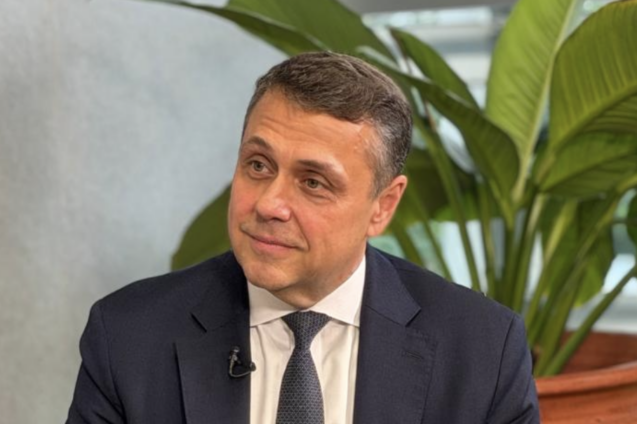
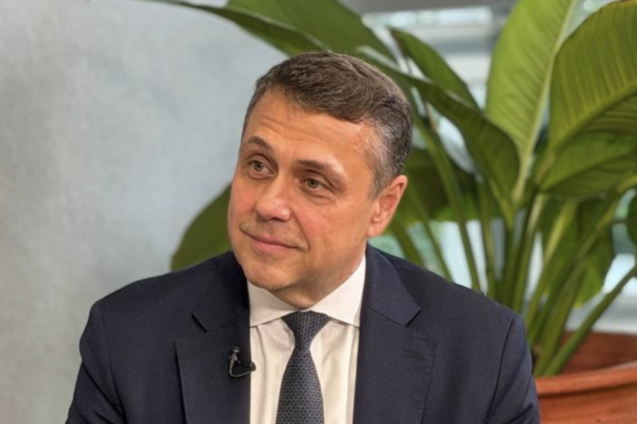
The International Monetary Fund (IMF) has strongly defended the Bank of Ghana’s recent monetary policy measures.
IMF Mission Chief Ruben Atoyan insists the central bank acted prudently despite the operational losses recorded in its 2025 financial statements.
Speaking on PM Express Business Edition on Thursday, he rejected suggestions that the Bank of Ghana had been overly aggressive in its approach to stabilising the economy.
“So, first, I would disagree with this view that the Bank of Ghana was too aggressive,” he stated.
“I think it was very prudent, and the achievement is, I think, manifested in the outcomes, and I think people on the ground actually recognise that.”
His comments come amid growing public debate over the central bank’s operational losses and the broader cost of its inflation-fighting measures.
Dr Atoyan explained that central banks often incur high costs when trying to manage inflation and stabilise financial systems during periods of economic distress.
“Second, there is the cost of doing monetary policy, and this is something that people need to understand,” he said.
According to him, the recently published 2025 financial statements of the Bank of Ghana clearly reflected the financial burden associated with managing high inflation and elevated interest rates.
“You know that the Bank of Ghana 2025 financial statement was just published, and it transparently presents the cost of doing business with high inflation and high interest rates,” he explained.
Dr Atoyan said one of the key tools used by the central bank involved absorbing excess liquidity from the market, a process he acknowledged was expensive but necessary.
“Absorbing liquidity from the market is costly, and that’s what we see as reflected in the statement,” he stated.
The IMF official maintained that while the measures generated losses for the central bank, they were justified by the need to restore macroeconomic stability.
“Yes, so it did generate some costs for the Bank of Ghana, but it was a necessary cost for the stabilisation going forward,” he stressed.
The IMF has repeatedly praised Ghana’s recent macroeconomic recovery under the ongoing Extended Credit Facility programme, citing improvements in inflation, exchange rate stability and fiscal performance.
Dr Atoyan’s remarks add to the growing international backing for the Bank of Ghana’s policy direction, despite concerns about the financial implications of its tightening measures.
His defence of the central bank also comes at a time when debates over the cost of stabilisation policies continue to dominate Ghana’s economic and political discussions.