







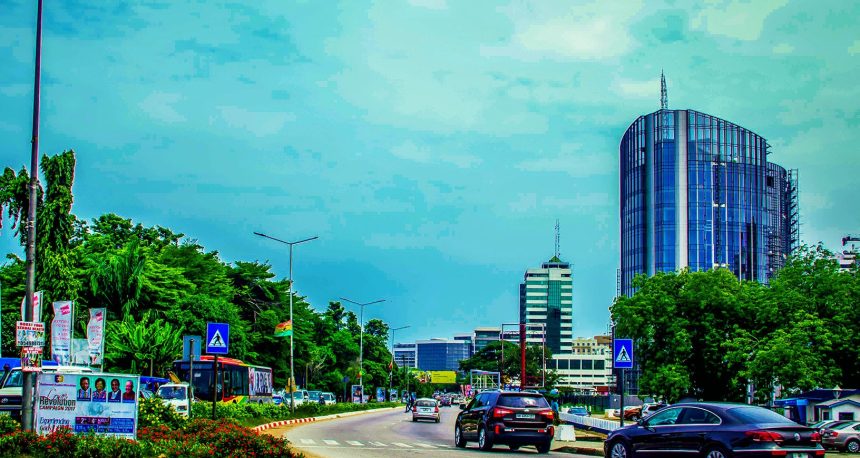

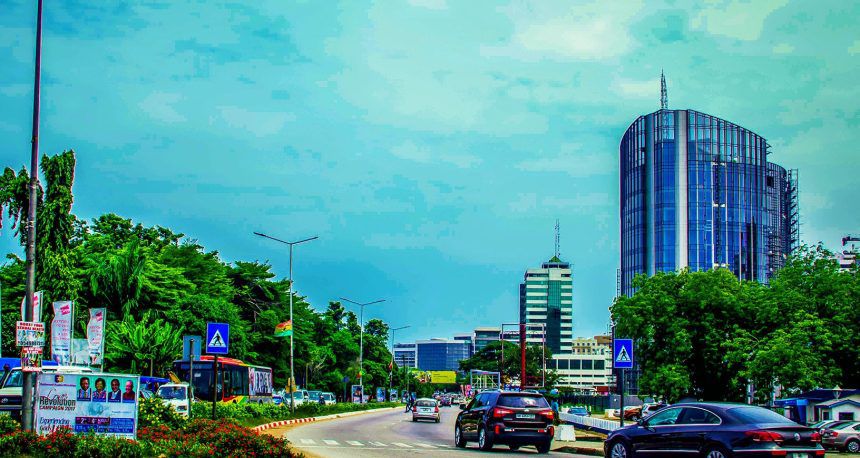
Nearly six in every 10 Ghanaians lived in urban areas in 2025, highlighting the country’s continued shift towards urbanisation, according to the Ghana Statistical Service (GSS).
The latest publication, Ghana in Numbers, 2025, estimates that approximately 19.8 million people, representing 58.7 per cent of the population, were living in urban communities.
The report provides data on population growth, housing and access to essential services to support development planning and resource allocation across the country.
Government Statistician Dr Alhassan Iddrisu urged policymakers to rely on district-level statistics rather than national averages when deciding where development projects should be located.
He said local data would help identify communities with the greatest needs and ensure public resources were directed appropriately.
Ghana became more urban than rural in 2010, when the urban population stood at 12.55 million, compared with 12.11 million in rural areas.
By 2021, the urban population had increased to 17.47 million, while the rural population stood at 13.36 million.
On housing, the GSS estimated the national deficit at 1.8 million units in 2021, down from 2.8 million in 2010. Average household size also declined to 3.6 people.
Access to basic services has improved, with electricity coverage rising to 86.3 per cent in 2021 and improved drinking water reaching 92 per cent.
However, challenges remain.
The report estimates that 30.8 per cent of urban residents live in slums or informal settlements, while significant gaps persist in electricity and sanitation access.
The GSS says district-level data will be essential in identifying these inequalities and guiding the provision of housing, schools, healthcare facilities and other services.