







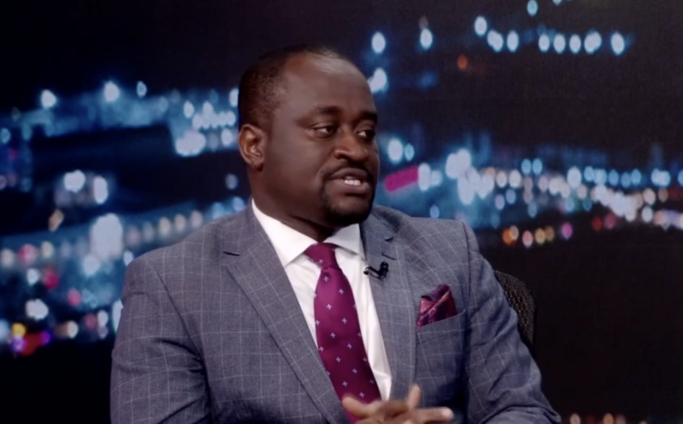

Economist and political risk specialist Dr Theo Acheampong says a 5% pay rise in a stable economy can leave workers better off than a 30% increase during runaway inflation.
Speaking on Joy News’ PM Express on Monday, he argued that lasting improvements in living standards require more than higher salaries. Stable prices, reliable public services and more employment opportunities also matter.
“If you can get all these things working right, and things are stable, even if you offer workers 5% in a stable environment, is always going to be better than offering them 30% when you have runaway inflation.”
His comments put purchasing power at the centre of the wage debate. A larger nominal increase does not necessarily mean workers can afford more when prices rise rapidly.
Acheampong said fair wages must form part of a broader effort to strengthen the economy and improve everyday services.
“We also recognise really that at the end of the day, what you want is a durable improvement in living standards,” he said.
He linked that improvement to fair salaries, stable prices, reliable transport and public services, alongside greater access to jobs.
The economist also called for a longer view of Ghana’s wage bill. He said employee compensation had accounted for between 25% and about 35% to 36% of total expenditure since 2008. The average was around 30%.
Although spending has risen annually, he said its share of total expenditure has remained relatively flat.
However, that did not remove concerns about its size.
“But when you compare Ghana’s wage bill to some of our peers, even within the subregion, you can see that the wage bill is quite extraordinarily high.”
Acheampong said interest payments, compensation and transfers to statutory funds left little room for capital expenditure.
“There’s actually nothing left to pay for capital expenditure,” he said.